
The Danish Industry
Resources
Fishmeal and fish oil production in Europe primarily rely on small, short-lived fish species that are not widely consumed by humans, alongside trimmings from fish processing. Key species include Capelin, Sandeel, Blue Whiting, Sprat, Norway Pout, and Boarfish.
Sustainability is central to the industry. Raw material supply is regulated through science-based catch limits, informed by biological advice from ICES and enforced by national and EU authorities. All fishing activity is subject to strict oversight to ensure long-term resource management.
An important and growing share of production now comes from trimmings — the parts left over after filleting. Since fillet yields typically range between 30% and 65%, the remaining material represents a valuable input for fishmeal and fish oil. This makes the industry a cornerstone of the circular blue bioeconomy, turning unavoidable by-products into high-value nutrition for aquaculture and agriculture.
The most important species
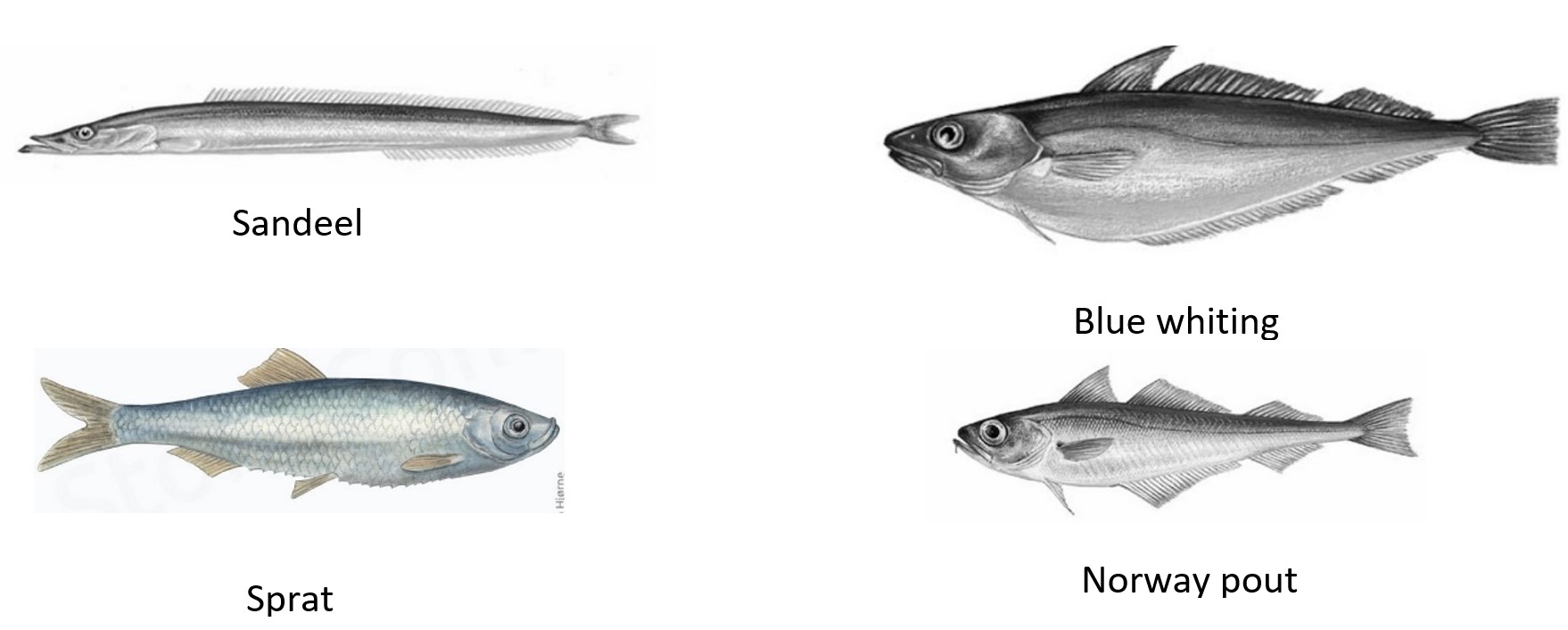
Denmark has played a central role in developing this model since the 1950s, establishing a globally recognized fishmeal and fish oil sector built on efficiency, traceability, and responsible sourcing. Initially centered on herring, the Danish industrial fishery has since evolved to primarily target small pelagic species such as sandeel, sprat, Norway pout, and boarfish. These species are fished in the North Sea, Skagerrak, Kattegat, and the Baltic Sea, where Danish vessels operate alongside fleets from other nations, with most landings processed in Denmark.
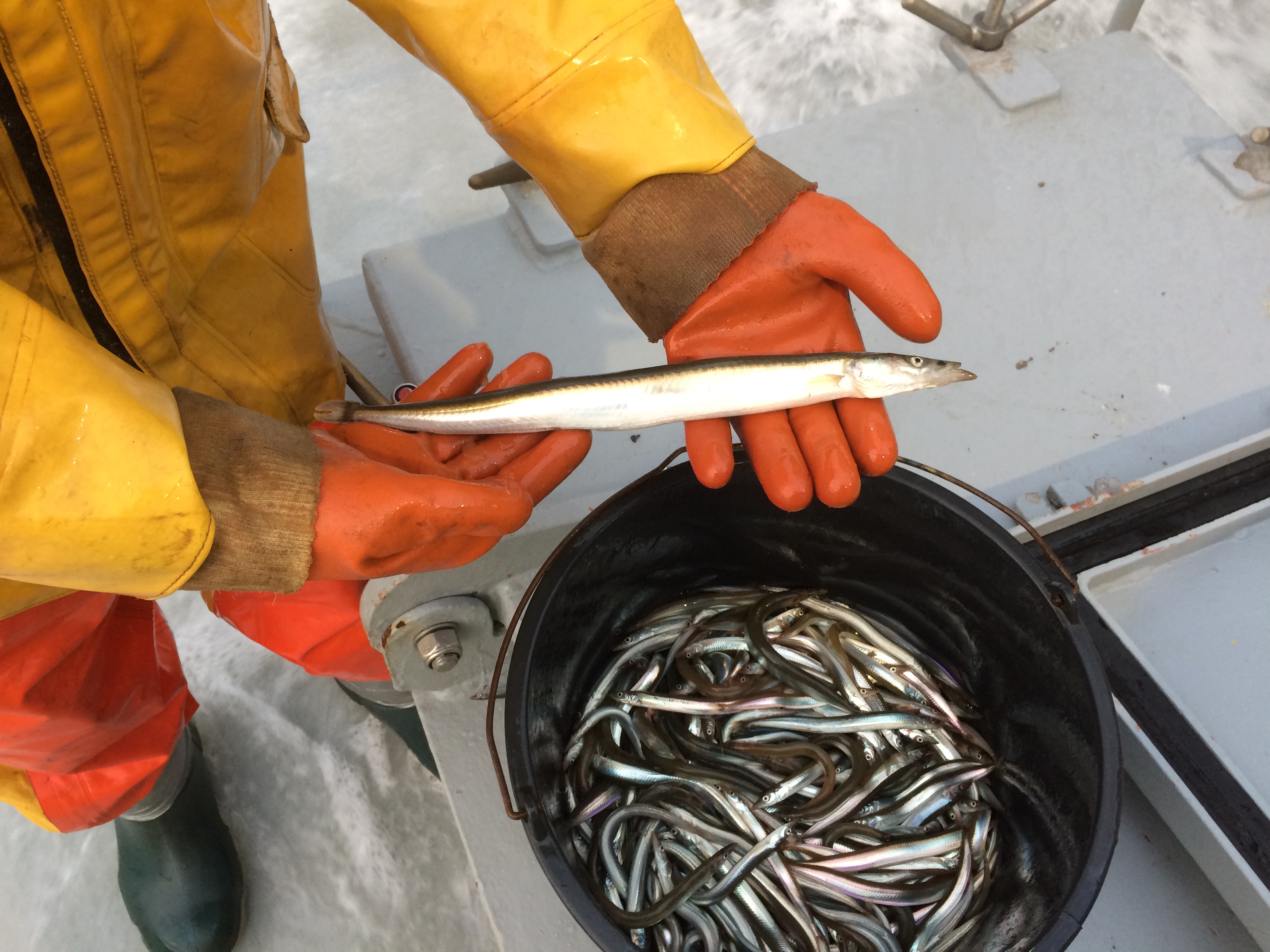
The targeted species share common biological characteristics: they are small, fast-growing, short-lived fish with high natural mortality rates and rapid population turnover. Their populations are highly variable and strongly influenced by environmental conditions such as temperature, salinity, and food availability. Sandeel (Ammodytes marinus), for instance, burrows into sandy seabeds during parts of the year and forms the basis of important predator-prey dynamics in the North Sea. Sprat (Sprattus sprattus) and herring (Clupea harengus) are schooling fish found throughout the Baltic Sea and adjacent waters, while Norway pout (Trisopterus esmarkii) and boarfish (Capros aper) are more common in deeper areas of the North Sea and northeast Atlantic.
Fishing for these species is conducted using midwater trawls (also known as pelagic trawls), which are designed to target shoals in the water column and do not come into contact with the seabed. This method avoids the seabed impacts associated with bottom trawling, reducing habitat disturbance. The fish are typically processed quickly upon landing, ensuring high quality for use in fishmeal and fish oil production.
Because of their limited appeal for direct human consumption, these species are managed under a different model than traditional food fish. The combination of their life-history traits and targeted management means that fishing pressure is generally lower than natural mortality. Nonetheless, these stocks remain sensitive to fluctuations in environmental conditions, particularly recruitment strength and oceanographic variability, and are closely monitored through regular scientific assessments.
Quota overview 2025
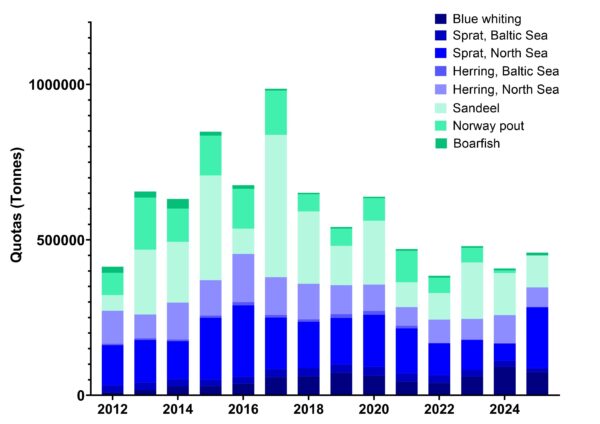
The raw materials for fishmeal and fish oil production in Denmark consist of two primary sources: fresh, small pelagic fish caught under regulated quotas, and trimmings from fish processed for human consumption. Denmark’s main target species are short-lived, fast-growing fish with limited market demand for direct consumption. These stocks are managed through annual or multi-annual quota allocations, based on scientific advice from ICES and agreed upon at the EU level.
The graph illustrates the annual quota allocations for these species, reflecting both natural stock fluctuations and regulatory decisions aimed at maintaining sustainable exploitation levels.